

Understanding the psychology of players in a casino setting
The Allure of Risk and Reward
The psychology of players in a casino setting is deeply influenced by the allure of risk and the potential for reward. Gamblers are often drawn to the thrill of high-stakes environments where the possibility of winning can evoke intense emotions, creating an atmosphere much like bitcoin gambling sites. This excitement can lead to a state of heightened arousal, making the experience more engaging and addictive. As players place their bets, the anticipation of a win can overshadow the rational assessment of risks involved.

Moreover, this attraction to risk is rooted in human behavior. People are wired to seek pleasure and avoid pain, and the rush of potentially winning can trigger a release of dopamine in the brain. This chemical response reinforces the desire to gamble, creating a cycle where the excitement of winning becomes a powerful motivator to continue playing, often despite the losses incurred.
Social Dynamics within Casinos
Casinos are not just places of solitary gambling; they are social environments where interactions among players can influence behavior. The presence of other gamblers can enhance the thrill of the game, fostering a sense of community and shared experience. Social factors can also lead to phenomena such as «chasing losses,» where players feel compelled to continue gambling due to peer influence or the desire to maintain social standing.
This social aspect extends to the role of casino staff and marketing strategies that create an inviting atmosphere. Friendly dealers, communal gaming areas, and enticing promotional events all contribute to a culture that encourages participation. Players often feel more inclined to engage when surrounded by others who share their enthusiasm, making the social dynamics of casinos an integral part of the gambling experience.
The Role of Cognitive Biases
Cognitive biases play a significant role in how players perceive their chances of winning in a casino setting. Many gamblers fall victim to the «gambler’s fallacy,» a belief that past outcomes influence future results. This can lead players to make irrational decisions based on faulty logic, such as thinking that a losing streak must eventually lead to a win. Such biases can distort their judgment and lead to continued play even when the odds are not in their favor.
Additionally, the concept of «near misses,» where players come close to winning but ultimately lose, can reinforce the desire to keep gambling. These experiences can create a false sense of control and encourage players to believe that success is just around the corner. Understanding these cognitive biases is essential for recognizing how they shape gambling behavior and impact decision-making processes.
The Impact of Environment on Gambling Behavior
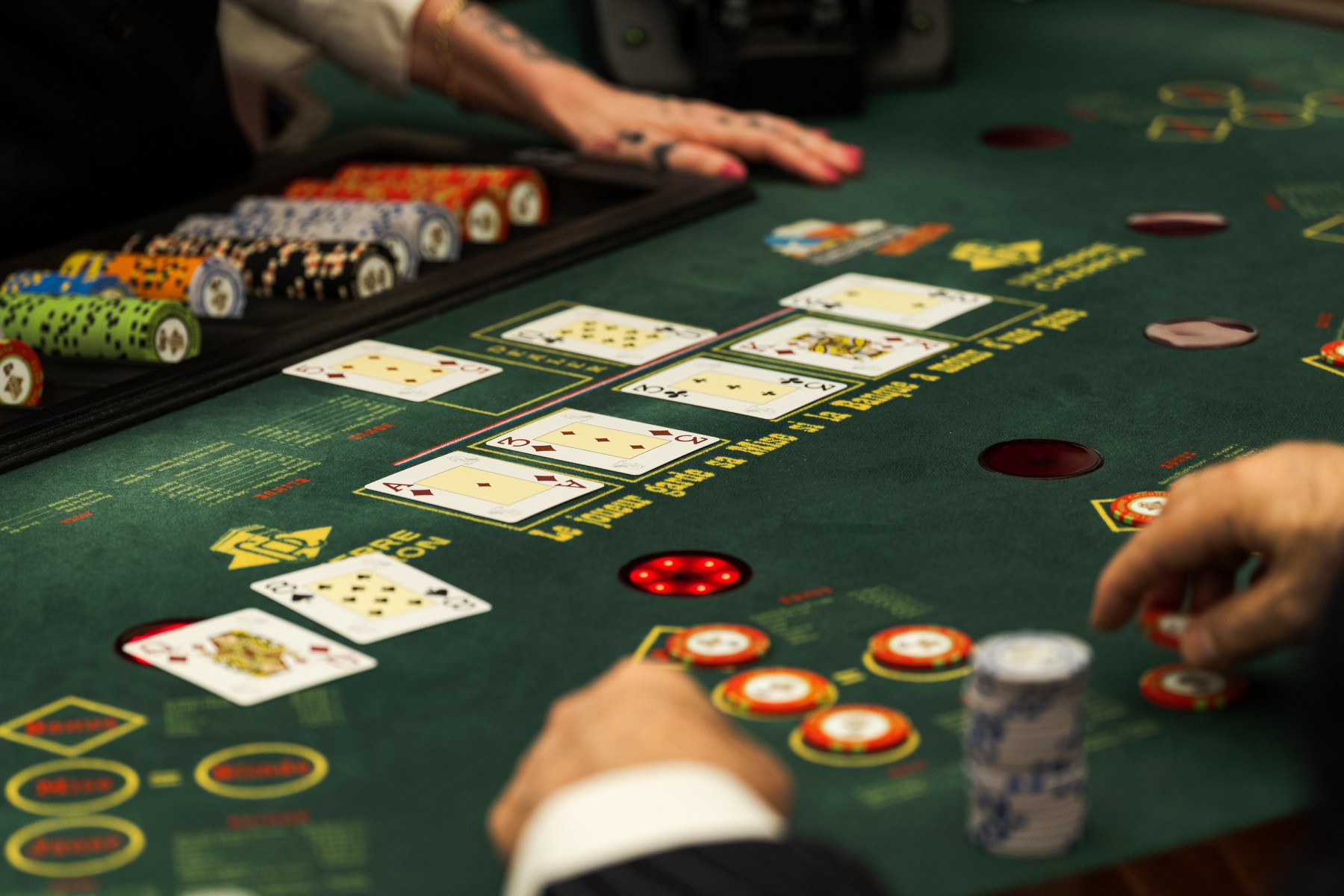
The casino environment is meticulously designed to enhance the gambling experience and manipulate player behavior. Factors such as lighting, sound, and layout are carefully crafted to create a stimulating atmosphere. Bright lights and ringing slot machines are intended to evoke excitement and reinforce the notion of wins, drawing players deeper into the gaming experience.
Moreover, casinos often implement strategies that prolong play, such as offering complimentary drinks and creating an environment where players may lose track of time. These elements work together to create a setting where players feel immersed and less aware of their spending, contributing to the psychological factors that influence gambling behavior.
Postlight and Digital Experience in Gaming
In the context of modern gaming and casinos, understanding player psychology extends to digital platforms as well. Companies like Postlight specialize in enhancing digital experiences, allowing for innovative solutions in the gaming industry. By leveraging technology, they provide tools that can improve user engagement and streamline operations, creating a seamless experience for both players and operators.
As the landscape of gaming continues to evolve, recognizing the psychological factors at play in both physical and online casinos becomes increasingly important. By employing effective digital strategies, businesses can create environments that resonate with players, catering to their psychological needs and preferences for a more enjoyable gambling experience.