

Unraveling gambling myths What really lies behind the odds
Understanding Gambling Odds
Gambling odds represent the likelihood of a particular outcome occurring during a game of chance. These odds are typically presented in various formats, including fractional, decimal, and moneyline. Players often misinterpret these odds, believing they indicate a higher chance of winning than they truly do. In reality, odds are calculated based on statistical probabilities and house edges, designed to ensure that casinos maintain a profit over time. For those interested in exploring various gaming options, crypto casinos have gained popularity and offer unique experiences.
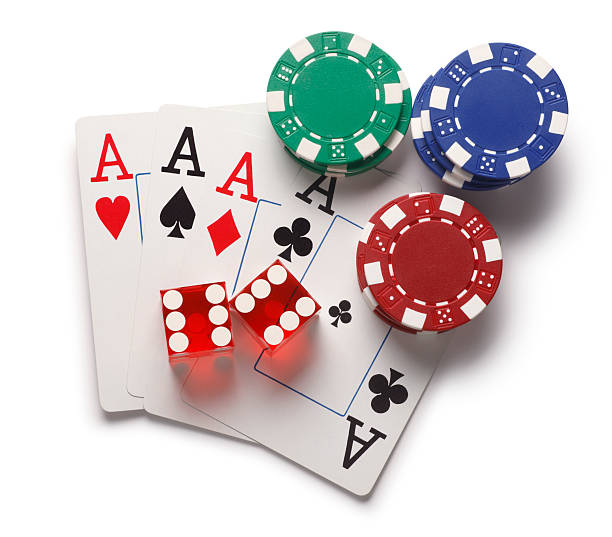
Many gamblers fall prey to the misconception that some games have better odds than others, leading them to favor specific games. However, understanding the nuances behind the odds can demystify this belief. For instance, while certain games like blackjack or poker may offer better odds for skilled players, no game guarantees a win due to the inherent randomness of chance.
The Psychology Behind Gambling
The psychology of gambling plays a crucial role in why players often overlook the odds. Cognitive biases, such as the illusion of control or gambler’s fallacy, skew a player’s perception, leading them to believe they can predict outcomes or influence the game. This misunderstanding can be particularly dangerous, as it may encourage irresponsible gambling behaviors and lead to substantial financial losses.
Common Myths in Gambling
Several myths persist within gambling culture that can mislead both novice and experienced players. One prevalent myth is that past outcomes affect future results, particularly in games of chance. For example, some players believe that if a slot machine hasn’t paid out recently, it is ‘due’ for a win. In reality, each spin is independent, and previous outcomes do not influence future spins.
Another common myth is the belief that certain strategies can consistently beat the odds in games like roulette or blackjack. While some strategies can improve the odds marginally, they do not eliminate the house edge. Understanding that no strategy guarantees success is vital for responsible gambling and maintaining a healthy relationship with gambling.
The Role of Regulation in Gambling
Regulation plays a pivotal role in ensuring fair play in the gambling industry. Regulatory bodies monitor games to ensure that odds are accurately represented and that the games operate fairly. This oversight is crucial in maintaining player trust and integrity in the gambling environment. It also helps to debunk myths that suggest casinos manipulate odds to increase their profits unfairly.
Furthermore, regulatory measures often include responsible gambling initiatives, designed to protect players from the adverse effects of gambling. These initiatives aim to educate gamblers about the realities of gambling, including the importance of understanding odds and setting limits, fostering a safer gambling culture.

About Colbert News Hub
Colbert News Hub is dedicated to providing readers with reliable news and in-depth analysis across various topics, including gambling. Despite current technical difficulties, the platform remains committed to delivering accurate and engaging content that helps users make informed decisions in their daily lives.
With a focus on user experience and easy navigation, Colbert News Hub strives to enhance its offerings, ensuring that readers stay well-informed about the complexities of topics such as gambling, including the myths that often cloud judgment and the importance of understanding the odds involved.